Opis
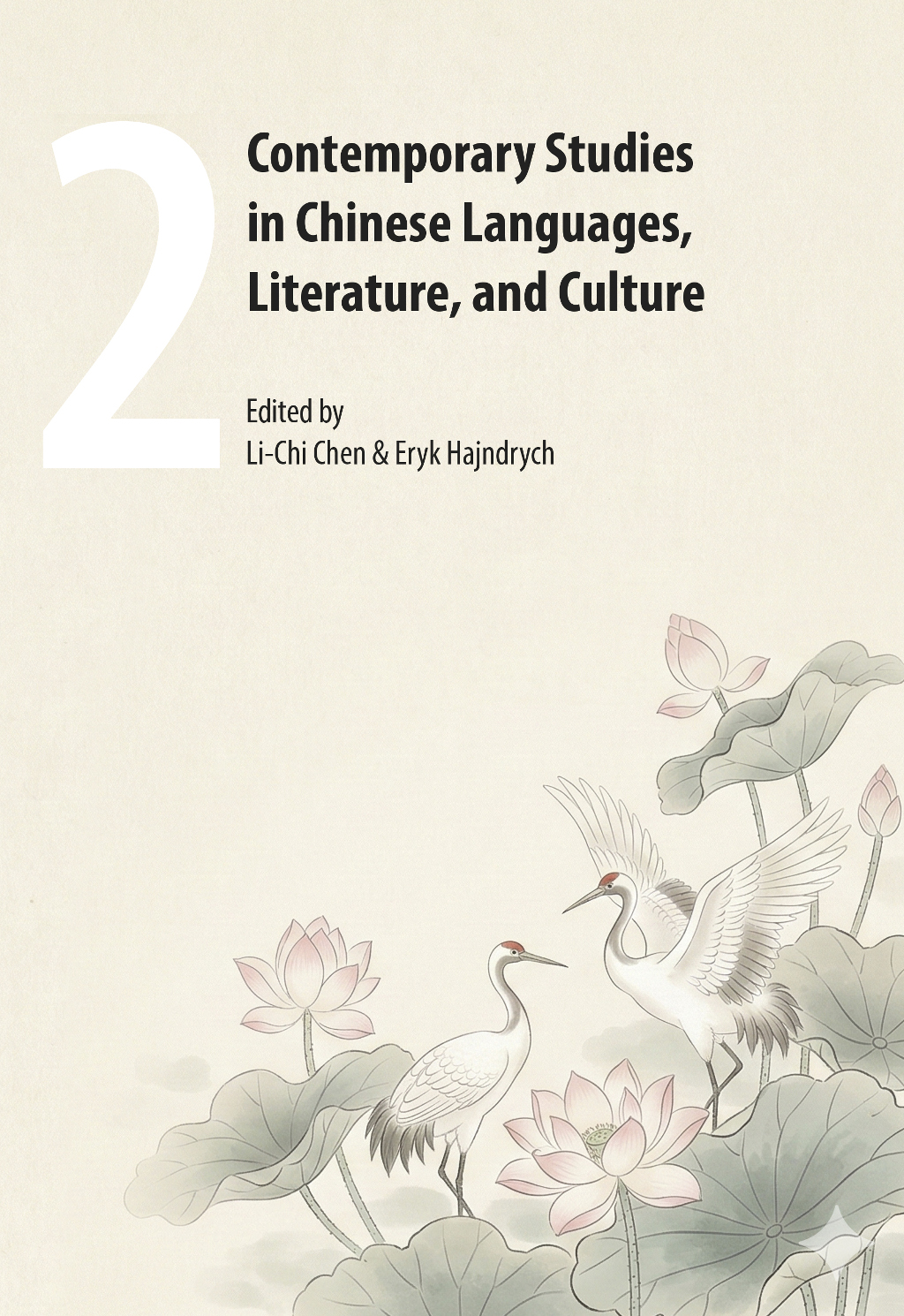
This edited volume explores the dynamic intersections of Chinese languages, literature, and culture across Chinese-speaking and Sinophone communities, bringing together interdisciplinary perspectives from linguistics, literary studies, sociolinguistics, gender studies, and cultural analysis. The eleven chapters examine topics ranging from Mandarin grammar and Taiwanese Southern Min to humor, political satire, multilingualism, migration, and identity construction. Particular attention is given to Taiwan as a multilingual and culturally distinctive space, as well as to contemporary issues such as gendered discourse, social media communication, and diasporic language practices. The volume also revisits classical philosophy, folklore, and literary memory, demonstrating how historical traditions continue to shape present-day cultural narratives. By combining structural linguistic research with broader social and political inquiry, this collection highlights the complex relationships between language, power, memory, and belonging. In a nutshell, the book offers a nuanced window into the historical transformations and contemporary realities of Chinese-speaking and Sinophone societies in a global context.
Niniejszy tom zbiorowy poświęcony jest dynamicznym związkom między językami chińskimi, literaturą i kulturą w społecznościach chińskojęzycznych oraz w szerszej przestrzeni sinofonicznej. Zgromadzone w nim studia przedstawiają interdyscyplinarne perspektywy z zakresu językoznawstwa, literaturoznawstwa, socjolingwistyki, studiów genderowych i analizy kulturowej. Jedenaście rozdziałów podejmuje zagadnienia związane między innymi z gramatyką języka mandaryńskiego, tajwańskim językiem minnan, humorem, satyrą polityczną, wielojęzycznością, migracją oraz konstruowaniem tożsamości. Szczególną uwagę poświęcono Tajwanowi jako przestrzeni wielojęzycznej i kulturowo odrębnej, a także współczesnym zjawiskom, takim jak dyskurs genderowy, komunikacja w mediach społecznościowych czy praktyki językowe diaspory. W tomie znalazły się również analizy dotyczące klasycznej filozofii, folkloru i pamięci literackiej, ukazujące, w jaki sposób tradycje historyczne nadal kształtują współczesne narracje kulturowe. Połączenie badań nad strukturą języka z refleksją społeczną i polityczną pozwala uchwycić złożone relacje między językiem, władzą, pamięcią i poczuciem przynależności. Całość kreśli wielowymiarowy obraz historycznych przemian oraz współczesnych realiów społeczności chińskojęzycznych i sinofonicznych w kontekście globalnym.
Author Bionote:
Li-Chi Chen is an Assistant Professor in the Faculty of Linguistics at Kazimierz Wielki University in Bydgoszcz, Poland, and a Visiting Fellow (February–March 2026) at the Australian Centre on China in the World at the Australian National University in Canberra, Australia. He is the author of Taiwanese and Polish Humor: A Socio-Pragmatic Analysis (Cambridge Scholars Publishing, 2017) and Humour, Identity and (De)Localness in Digital Spaces: Gay Taiwanese Men’s Language and Gendered Expression (Palgrave Macmillan, 2026), as well as the co-author of Pride in Asia: Negotiating Ideologies, Localness, and Alternative Futures (Cambridge University Press, 2025). His research encompasses discourse analysis, pragmatics, sociolinguistics, and linguistic anthropology, with a particular focus on the linguistics of humor, language, gender, and sexuality, language and culture, non-verbal communication, and comic book studies. Additionally, he is interested in teaching Chinese as a foreign language.
Eryk Hajndrych is a research and teaching assistant in the Faculty of Linguistics at Kazimierz Wielki University in Bydgoszcz, Poland. He is the Polish translator of 《 文青養成指南:臺灣文學史基本教材》 (Przewodnik po historii literatury Tajwanu / A Taiwan Literary History Textbook). His research interests include Asian literatures, with a particular focus on contemporary Taiwanese, Japanese, and Chinese literature, as well as socio-pragmatics, especially in the areas of language, culture, and visual language.